Learn about the physical forms of cocaine, including powder, crystalline material, rocks and paste, and why appearance cannot confirm purity or safety.
Understanding these differences is important for drug education, public health awareness, and substance identification. However, appearance alone cannot confirm that a sample contains cocaine, determine its purity, or establish whether it is safe.
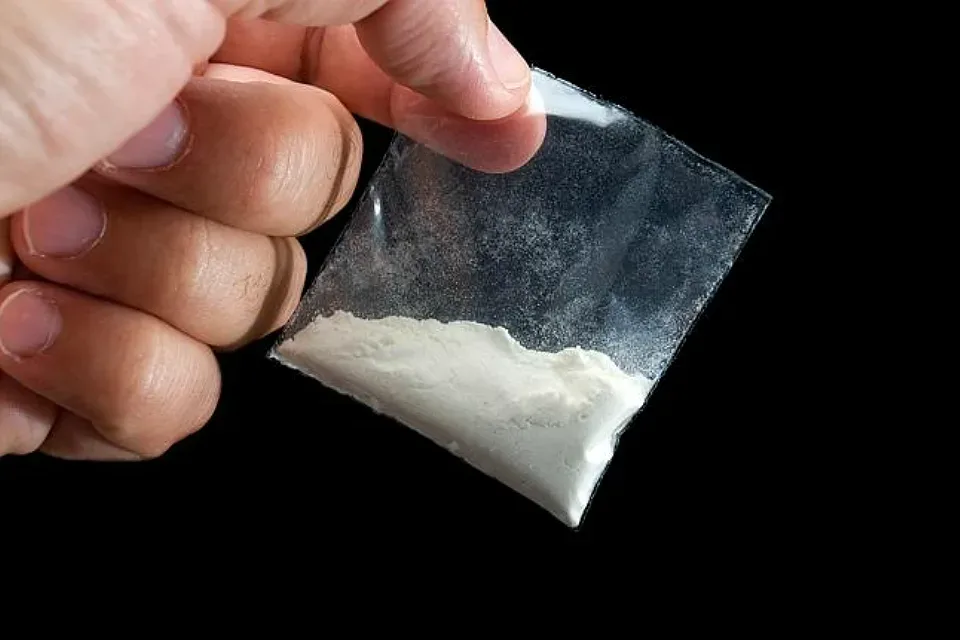
Why Can Cocaine Look Different?
<p data-pm-slice="1 1 []">Differences in appearance can result from the chemical form of the substance, moisture, storage, handling, and the presence of additional ingredients. Consequently, two samples that look similar may have different compositions, while samples of the same substance may look different.</p>
Powder Cocaine
Powder cocaine commonly refers to cocaine hydrochloride, a salt form of cocaine. It is often described as a white or off-white powder, although appearance varies between samples.
The term “powder cocaine” describes a physical presentation rather than a guarantee of chemical composition or purity. A powder that resembles cocaine may contain other substances or may not contain cocaine at all.
What Is Cocaine Hydrochloride?
<h3 data-pm-slice="1 1 []"><b>Contact Dubaistreetkid for Local Pickup</b></h3>
<p data-pm-slice="1 1 []">Cocaine hydrochloride is the salt form commonly associated with powder cocaine. It differs chemically from cocaine base. The distinction matters in pharmacology and public health because chemical form influences properties such as solubility.</p>
Can Powder Cocaine Purity Be Identified by Appearance?No. Whiteness, fineness, texture, or apparent cleanliness cannot establish purity. Reliable identification requires appropriate analytical testing by a qualified laboratory. cocaine types Learn more
Crystalline and Granular Cocaine-Like Material
Some substances sold as cocaine may appear granular or crystalline rather than as a fine powder. These descriptions refer to physical appearance and do not independently identify the chemical present.
Are Cocaine Crystals a Separate Type of Cocaine?
Not necessarily. “Crystalline” describes how a material looks, not a universally recognized separate category of cocaine. A visual description cannot establish the chemical form, origin, or purity of a sample.
Crack Cocaine and Rock-Like Material
Crack cocaine is a form of cocaine base commonly associated with solid pieces or rocks. It differs chemically from cocaine hydrochloride, the form commonly associated with powder cocaine.
Is Crack Cocaine Different From Powder Cocaine?
Does a Rock-Like Appearance Confirm Crack Cocaine?
No. Many substances can form solid pieces or rocks. Appearance alone cannot reliably distinguish crack cocaine from other materials.